 Ricerca
 EN
EN English
 Deutsch
 Français
 Español
 italiano
 cn
cn jp
jp kr
krIl ponte degli occhiali è la striscia di materiale della montatura che attraversa il naso e collega le due lenti ed è l'elemento strutturale più importante che determina se un paio di occhiali si adatta correttamente, è stabile e appare proporzionato sul tuo viso. Nonostante le sue piccole dimensioni, il ponte degli occhiali influenza il comfort in caso di uso prolungato, il centraggio ottico delle lenti, la distribuzione della pressione sulla pelle e l'equilibrio estetico complessivo della montatura. Scegliere la larghezza o lo stile sbagliato del ponte è il motivo più comune per cui gli occhiali risultano scomodi, scivolano giù dal naso o appaiono visivamente sproporzionati, anche quando ogni altra misurazione è corretta. Questa guida completa spiega ogni tipo di ponte, come misurare per ottenere la giusta vestibilità e quale stile si adatta alla forma del viso.
Contenuto
- 1 Cos'è un ponte per occhiali? Spiegazione di anatomia e funzione
- 2 Quali tipi di ponte per occhiali sono disponibili?
- 3 Confronto tra i tipi di occhiali a ponte: qual è quello giusto per te?
- 4 Come misurare la larghezza del ponte degli occhiali a casa
- 5 In che modo il ponte degli occhiali influisce sulle prestazioni ottiche?
- 6 Quale stile di occhiali a ponte si adatta a quale forma del viso?
- 7 Quali materiali vengono utilizzati nei ponti per occhiali?
- 8 Come risolvere i problemi comuni del ponte degli occhiali
- 9 Domande frequenti: Ponte per occhiali
- 9.1 D: Qual è la larghezza media del ponte degli occhiali per gli adulti?
- 9.2 D: È possibile riparare il ponte degli occhiali se si rompe?
- 9.3 D: Cos'è un ponte nasale basso e come faccio a sapere se ne ho uno?
- 9.4 D: I naselli del ponte degli occhiali devono essere sostituiti?
- 9.5 D: È sicuro acquistare occhiali online senza conoscere la misura esatta del ponte?
- 10 Conclusione: vale la pena fare il Glasses Bridge
Cos'è un ponte per occhiali? Spiegazione di anatomia e funzione
Il glasses bridge is the horizontal connector between the two lens rims or lens-holding structures at the top of the nose, and it performs three simultaneous functions: structural support, weight distribution, and optical positioning. In una montatura a cerchio intero, il ponte è un pezzo continuo di metallo o acetato. Nei modelli semi-rimless e senza montatura, spesso è un componente separato fissato tramite viti o cordoncino di nylon alle lenti stesse.
Il bridge works in coordination with the nose pads (if present) and the temple arms to balance the frame on the face. Approximately 90% of a frame's weight is supported through the bridge and nose pads, with the temples providing lateral stability rather than primary load-bearing. When the ponte degli occhiali la larghezza è adattata correttamente alla larghezza del naso di chi lo indossa, il peso è distribuito uniformemente sul naso, i centri ottici delle lenti si allineano con le pupille e la montatura si trova all'altezza corretta senza scivolare.
Misure chiave di un ponte per occhiali
Tre numeri definiscono completamente un ponte per occhiali ai fini dell'adattamento: larghezza del ponte, altezza del ponte e apertura del nasello (se applicabile). Ilse are typically found on the inside of the temple arm in a standard frame size notation such as 52-18-140, where the middle number (18 in this example) is the bridge width in millimeters.
- Larghezza del ponte: Il distance in millimeters between the two lenses at the bridge, measured at the inner edge of each lens. Typical adult values range from 14 mm to 24 mm. A bridge that is too wide will allow the frame to slide down the nose; one that is too narrow pinches and causes discomfort.
- Altezza del ponte: Il vertical distance the bridge rises above the lens centerline. A higher bridge places the frame further from the cheeks, which benefits wearers with full cheeks or high prescriptions that require extra lens clearance.
- Diffusione del nasello (DBL — Distanza tra le lenti): Nelle montature con naselli regolabili, la diffusione determina il punto in cui i cuscinetti entrano in contatto con il naso. Uno spread più ampio distribuisce il peso su un'area più ampia; una diffusione più stretta concentra la pressione ma può adattarsi meglio ai nasi più stretti.
Quali tipi di ponte per occhiali sono disponibili?
Ilre are seven primary glasses bridge types, each designed for a different nose profile, aesthetic preference, and frame construction — and selecting the correct type for your anatomy is as important as selecting the correct width.
1. Ponte standard (ponte buco della serratura)
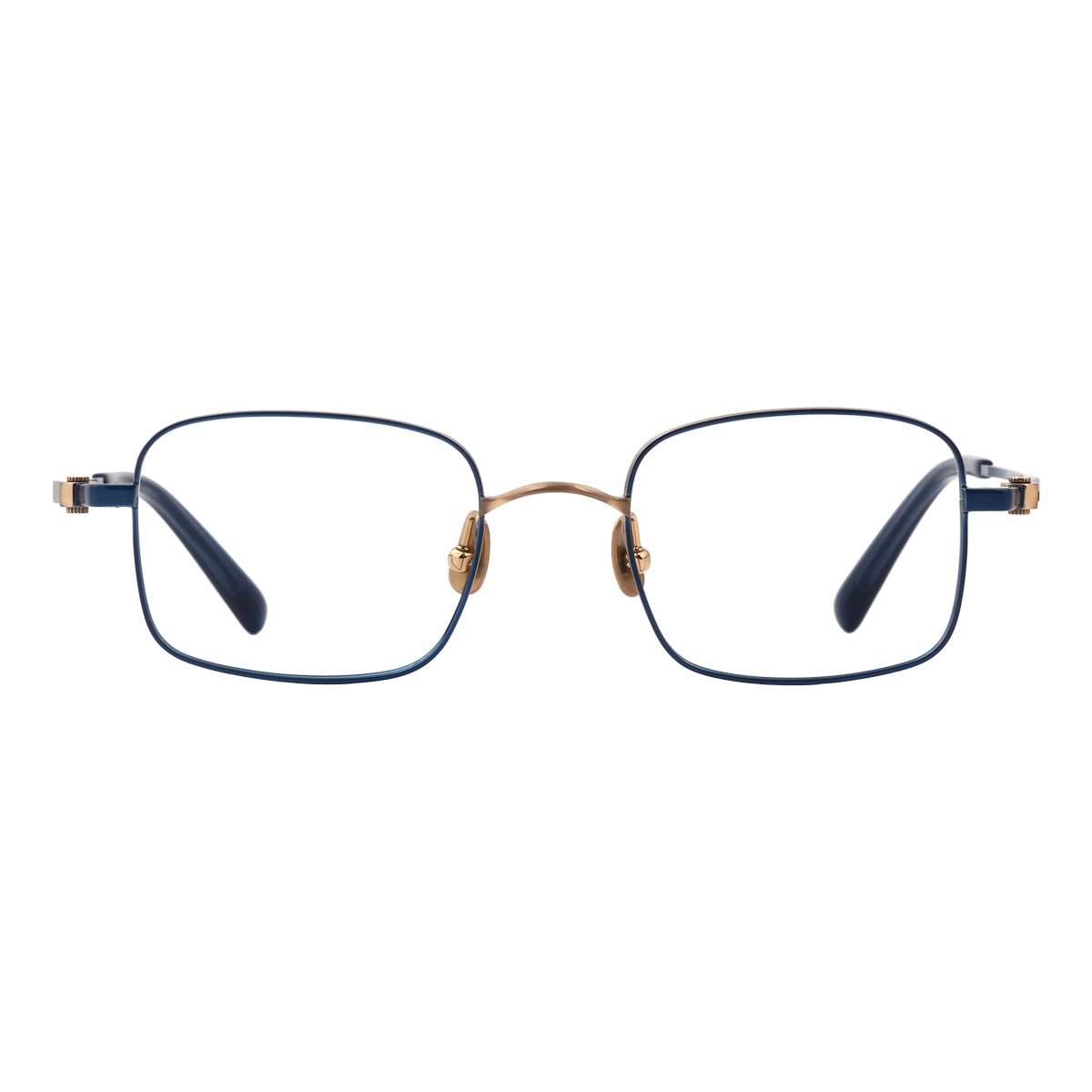
Il keyhole bridge is the most widely used glasses bridge style, named for its shape — a narrow opening at the top that widens toward the nose, resembling a keyhole. Si trova ai lati del naso anziché sulla parte superiore, distribuendo il peso lungo l'osso nasale. I ponti a serratura si trovano sia su montature in metallo che in acetato e si adattano a nasi di media altezza. Si vedono spesso su montature rotonde e ovali e sono l'impostazione predefinita sulla maggior parte degli occhiali già pronti.
2. Ponte a sella
Il saddle bridge rests across the top of the nose like a saddle on a horse — its curved underside conforms to the nose's contour without separate nose pads, making it the most comfortable option for wearers with a prominent nasal bridge. I ponti a sella sono più comuni su montature in stile vintage, wireframe rotondi e forme classiche panto. Richiedono un naso con larghezza e altezza sufficienti nel punto del ponte per sostenere il telaio senza scivolare. Poiché non sono presenti imbottiture regolabili, la vestibilità è determinata interamente dalla geometria del ponte: i ponti a sella non sono facilmente regolabili, rendendo fondamentale un dimensionamento accurato prima dell'acquisto.
3. Ponte Pad (ponte del nasello)
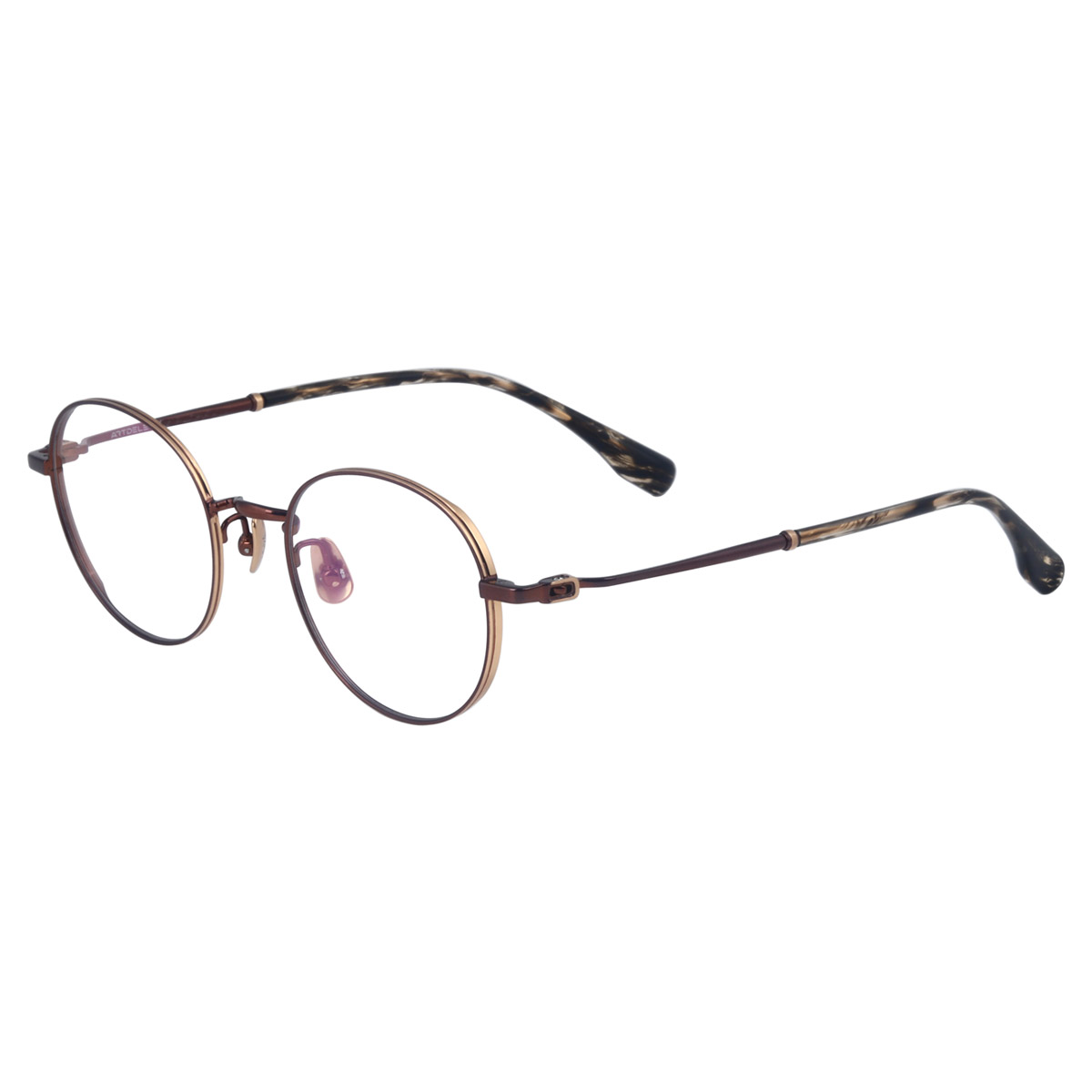
Il pad bridge uses separate, adjustable silicone or acetate nose pads mounted on metal arms, providing the highest degree of fit customization and making it the best glasses bridge type for low-profile or flat nose bridges. Un ottico può piegare i bracci del cuscinetto verso l'interno o verso l'esterno, verso l'alto o verso il basso, per posizionare i cuscinetti esattamente nel punto in cui entrano in contatto più comodamente con il naso. Questo tipo domina i design dei telai in metallo. I cuscinetti possono essere sostituiti indipendentemente quando ingialliscono o si usurano, aumentando la longevità del telaio. Tuttavia, i ponti imbottiti possono lasciare piccoli segni temporanei sul naso dopo un uso prolungato, cosa che alcuni portatori trovano indesiderabili.
4. Ponte W (doppio ponte)
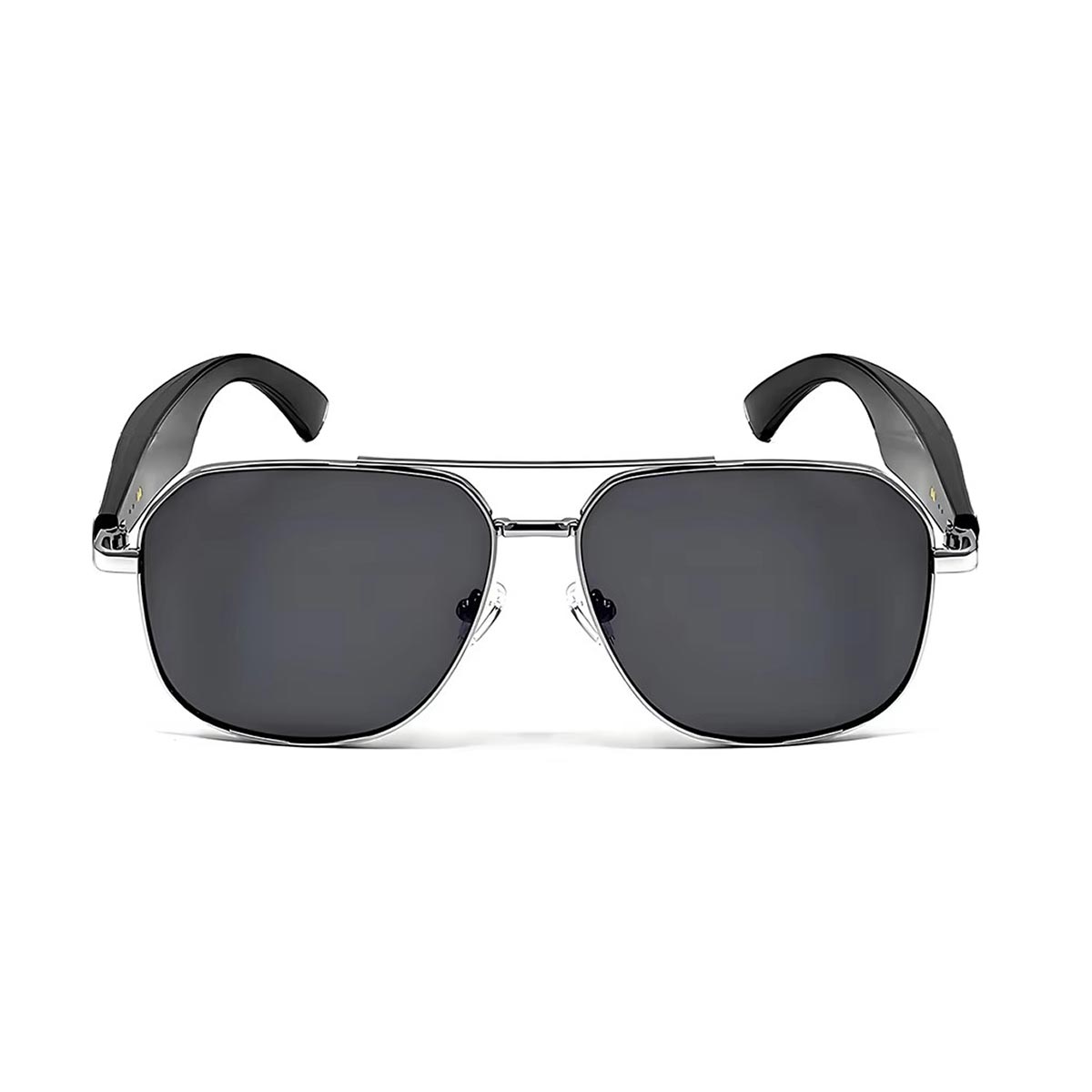
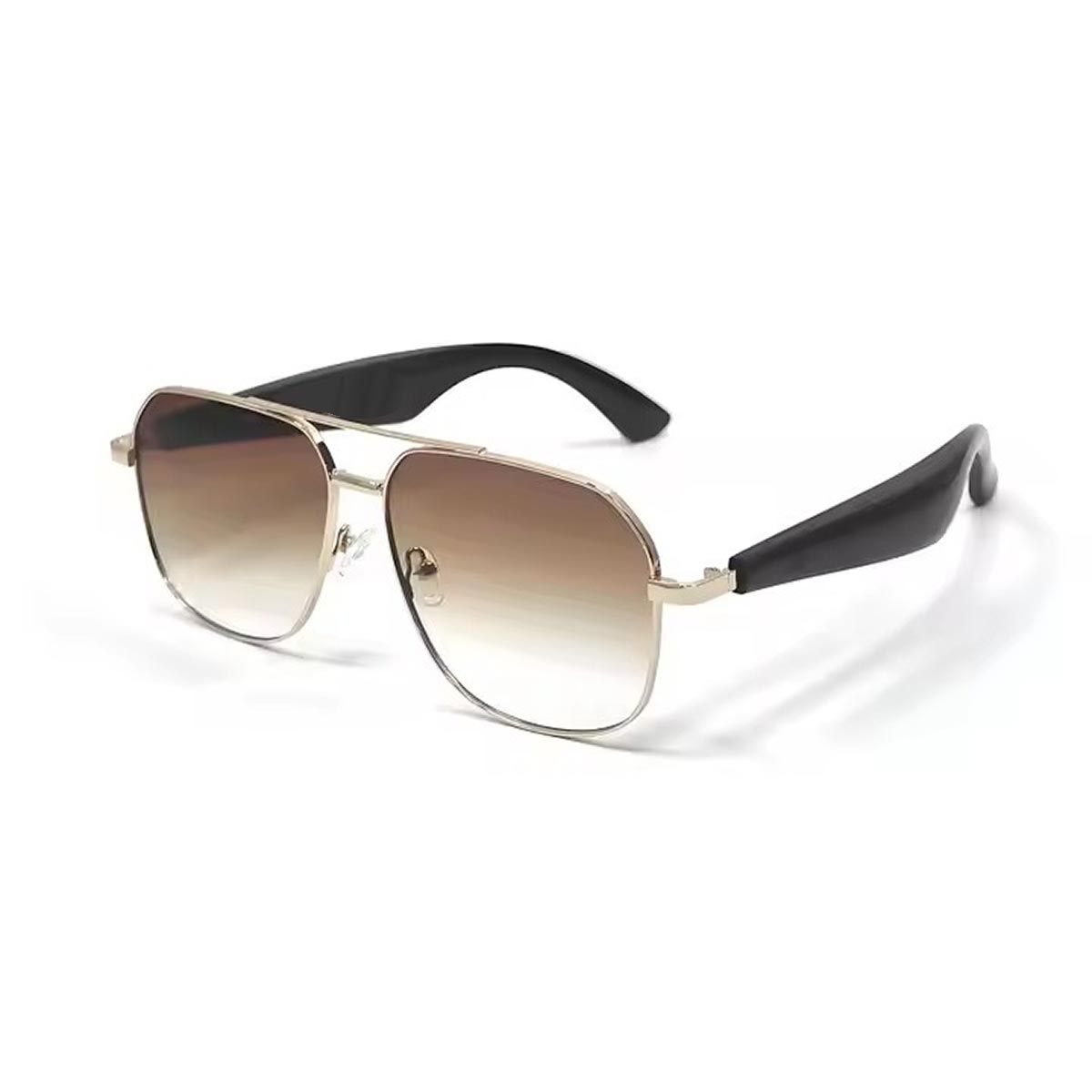
Il W-bridge or double bridge features two horizontal bars connecting the lenses — one at the upper edge and one at the lower edge — creating a distinctive aviator-style aesthetic while providing exceptional structural rigidity. I doppi ponti si trovano più spesso sulle forme dei telai da aviatore e navigatore. La barra superiore è puramente strutturale; la barra inferiore entra effettivamente in contatto con il naso. Questo design conferisce alle montature per lenti di grandi dimensioni la rigidità necessaria per impedire lo spostamento delle lenti senza aggiungere peso eccessivo alle aree delle cerniere.
5. Ponte nasello regolabile (braccio a molla)
I ponti del nasello con braccio a molla incorporano un braccio flessibile che consente al cuscinetto di muoversi leggermente mentre il naso si sposta durante l'uso, riducendo significativamente i segni di pressione e il dolore durante l'uso prolungato. Ilse are common on titanium and high-end rimless frames where wearer comfort over full working days is a design priority. The spring mechanism absorbs micro-movements rather than transmitting them as pressure changes to the skin.
6. Ponte alto (ponte esteso)
Il high bridge design raises the frame significantly above the nose, creating more clearance between the lenses and the face — it is specifically engineered for wearers with a flat or low nasal bridge, common in East Asian facial anatomy. Le montature commercializzate come "ponte basso" o "vestibilità asiatica" in genere incorporano un ponte alto con naselli più larghi e piatti posizionati più distanziati. Il vantaggio ottico è significativo: senza un’adeguata altezza del ponte, le montature standard si trovano troppo vicine al viso, facendo sì che le ciglia tocchino le lenti e spostando i centri ottici sotto le pupille, il che induce una distorsione prismatica indesiderata.
7. Ponti a clip e intercambiabili
I sistemi a ponte intercambiabili, presenti nei design delle montature modulari, consentono a chi lo indossa di scambiare le larghezze o gli stili del ponte senza sostituire l'intera montatura, offrendo una pratica flessibilità di vestibilità. Ilse systems use precision-machined connectors to secure the bridge to each lens rim. While less common in mainstream retail, they are increasingly popular in custom-fit eyewear and among wearers whose face measurements fall between standard size increments.
Confronto tra i tipi di occhiali a ponte: qual è quello giusto per te?
Abbinare il profilo del naso e lo stile di vita al tipo corretto di ponte degli occhiali è il percorso più veloce per ottenere comfort per tutto il giorno e prestazioni ottiche stabili.
| Tipo di ponte | Miglior profilo del naso | Adattabilità | Stile tipico della cornice | Vantaggio chiave |
| Buco della serratura | Altezza media, larghezza media | Basso | Rotondo, ovale, retrò | Versatile; si adatta alla maggior parte dei volti |
| Sella | Ponte nasale alto e prominente | Nessuno | Vintage, tondo, panto | Nessun segno di rilievo; aspetto classico |
| Pad Bridge | Qualsiasi: altamente adattabile | Alto | Metallo, senza montatura, semi-montata | Vestibilità personalizzata precisa |
| Doppio ponte (W) | Ponte medio-alto | Basso | Aviatore, navigatore | Rigidità strutturale; stile audace |
| Imbottitura per bracciolo a molla | Qualsiasi: incentrato sul comfort | Alto | Titanio, senza montatura | Comfort per tutto il giorno; nessuna pressione |
| Alto Bridge | Basso, flat, or wide nose | Moderato | Vestibilità asiatica, montatura a ponte basso | Impedisce lo scivolamento; corregge il centro ottico |
| Intercambiabile | Portatori di taglie intermedie | Molto alto | Cornici modulari/personalizzate | Scambia le larghezze senza un nuovo telaio |
Tabella 1: Confronto dei sette principali tipi di ponti per occhiali in base all'idoneità del profilo del naso, alla regolabilità, allo stile della montatura e al vantaggio principale.
Come misurare la larghezza del ponte degli occhiali a casa
Misurare la larghezza ideale del ponte degli occhiali richiede meno di due minuti e richiede solo un righello o un paio di occhiali esistenti: è il modo più affidabile per evitare di ordinare montature che scivolano o pizzicano.
Metodo 1: Misura da una coppia esistente
Se possiedi già un paio di occhiali che calzano comodamente sul naso, ti basterà leggere la misura del ponte dall'interno dell'asta. Il three-number sequence (e.g., 54-17-145) lists lens width, bridge width, and temple length. The middle number is your reference bridge width. Note that even a 1–2 mm difference can meaningfully affect fit, so use this number as your starting point and apply the adjustment guidelines below.
Metodo 2: misurazione diretta del naso
Posiziona un righello sottile orizzontalmente sul ponte del naso, nel punto in cui si appoggiano naturalmente gli occhiali, e misura la larghezza del naso in quel punto: in questo modo otterrai la larghezza del ponte ideale approssimativa. La maggior parte dei nasi degli adulti misura tra 14 mm e 22 mm al punto del ponte. Una misura del naso di 16 mm corrisponde a circa una larghezza del ponte di 16–17 mm su un telaio con ponte a pad, o 15–16 mm su un ponte a sella (che entra in contatto con i lati del naso anziché con la parte superiore piatta).
Linee guida per l'adattamento della larghezza del ponte
- Ponte troppo stretto (più di 2 mm sotto la larghezza del naso): I naselli o il ponte pizzicano i lati del naso, lasciando segni rossi. Il telaio è troppo alto e può causare mal di testa sopra il naso se indossato a lungo. Le lenti potrebbero essere forzate più lontano dal viso rispetto a quanto ottimale.
- Ponte troppo largo (più di 2 mm sopra la larghezza del naso): I telai scivolano costantemente verso il basso. I centri ottici si spostano sotto le pupille, inducendo un affaticamento visivo prismatico. Le punte delle tempie sollevano le orecchie. Le lenti sono più vicine al viso, causando potenzialmente il contatto delle ciglia.
- Larghezza corretta del ponte: Il frame stays in position without constant adjustment. Nose pads or bridge surface rest flat against the nose without side pressure. Pupil centers align with the optical centers of the lenses at the intended wearing height.
In che modo il ponte degli occhiali influisce sulle prestazioni ottiche?
Un ponte per occhiali di dimensioni errate degrada direttamente le prestazioni ottiche spostando l'allineamento della distanza interpupillare (PD) e inducendo effetti prismatici, effetti che peggiorano con prescrizioni più elevate e profili delle lenti più sottili.
Ogni lente da vista è rettificata in modo che il suo centro ottico, il punto di visione più chiara e priva di distorsioni, si allinei esattamente con la pupilla di chi lo indossa quando la montatura si trova nella posizione progettata. Quando il ponte degli occhiali è troppo largo, la montatura scivola verso il basso, spostando i centri ottici sotto le pupille. Chi lo indossa quindi guarda attraverso la periferia superiore della lente anziché al centro, sperimentando sfocatura, distorsione o spostamento prismatico.
Per le lenti monofocali, un disallineamento verticale di 2 mm del centro ottico introduce circa 0,5–1,0 diottrie di prisma verticale indesiderato (a seconda del potere di prescrizione). Per le lenti addizionali progressive (PAL), anche una caduta del fotogramma di 1 mm può spostare completamente il corridoio della visione vicina fuori dalla zona di lettura, rendendo difficili o impossibili le attività da vicino attraverso le lenti. Questo spiega perché la stessa prescrizione risulta perfetta in una montatura e scomoda in un'altra: la causa sottostante è solitamente l'ampiezza del ponte degli occhiali.
Quale stile di occhiali a ponte si adatta a quale forma del viso?
Il glasses bridge style contributes meaningfully to the visual balance of the face — a well-chosen bridge emphasizes desirable proportions and minimizes asymmetries, while a poor choice draws attention to features the wearer would rather downplay.
| Forma del viso | Stile del ponte consigliato | Intervallo di larghezza del ponte | Effetto sulle proporzioni del viso |
| Ovale | Qualsiasi: la forma del viso più versatile | 16-20 mm | Mantiene l'equilibrio naturale |
| Rotondo | Alto bridge; narrow keyhole or double bridge | 15–18 mm | Allunga il viso; aggiunge definizione |
| Quadrato | Buco della serratura o ponte a sella; profilo arrotondato | 17–21 mm | Ammorbidisce la mascella angolare |
| Cuore/Triangolo invertito | Basso-set, wider bridge; pad bridge | 18–22 mm | Bilancia la fronte più ampia |
| Oblungo/Rettangolo | Basso bridge; wide saddle bridge | 18–24 mm | Aggiunge larghezza; accorcia la lunghezza apparente del viso |
| Diamante | Ponte con buco della serratura o pad senza montatura | 15-19 mm | Altolights cheekbones; minimizes narrow chin |
Tabella 2: Stili di occhiali consigliati e intervalli di larghezza in base alla forma del viso, con l'effetto proporzionale previsto sull'aspetto del viso.
Quali materiali vengono utilizzati nei ponti per occhiali?
Il material of the glasses bridge determines its weight, adjustability, durability, and skin compatibility — and different materials suit different wearers based on lifestyle, sensitivity, and aesthetic preference.
Acetato
Acetato bridges are rigid, lightweight, available in virtually unlimited colors and patterns, and are hypoallergenic for most wearers. Ily are the dominant bridge material in fashion eyewear. Acetate bridges cannot be adjusted by cold bending like metal — an optician uses heat (typically 60–80°C from a frame heater) to soften the material before reshaping. Acetate bridges are available in thicknesses from ultra-thin (1.5 mm, minimalist frames) to thick statement styles (6–8 mm, retro-bold designs).
Titanio
Titanio glasses bridges are the lightest, strongest, and most corrosion-resistant option, making them the preferred material for wearers with active lifestyles or nickel sensitivity. Le leghe di titanio puro e beta-titanio (che sono più flessibili) producono entrambi ponti che pesano il 30–50% in meno rispetto ai ponti equivalenti in acciaio inossidabile. I ponti in titanio possono essere regolati piegandoli a mano senza calore e mantengono la loro forma eccezionalmente bene. Il materiale è privo di nichel, eliminando la causa più comune di dermatite da contatto da occhiali.
Acciaio inossidabile
I ponti in acciaio inossidabile offrono un eccellente rapporto resistenza/costo, resistono bene alla corrosione e sono regolabili: rappresentano il materiale più comune nei telai metallici di fascia di prezzo media. L'acciaio inossidabile di grado chirurgico (316L) ha un contenuto di nichel sufficientemente ridotto per la maggior parte dei portatori, anche se quelli con allergie confermate al nichel dovrebbero optare per il titanio. I ponti in acciaio inossidabile possono essere cromati, placcati in oro o rivestiti in PVD praticamente in qualsiasi colore.
TR-90/Composito in nylon
I ponti TR-90 (miscela di gomma termoplastica e nylon) sono estremamente leggeri, flessibili e resistenti agli urti, rendendoli il materiale standard per gli occhiali sportivi e per bambini. I ponti TR-90 possono flettersi in modo significativo senza deformazioni permanenti e ritornare alla loro forma originale, una proprietà che li rende molto durevoli sotto le sollecitazioni fisiche dell'uso attivo. La loro aderenza superficiale riduce anche lo scivolamento, a vantaggio di chi li indossa in ambienti umidi o durante l'attività fisica.
Confronto dei materiali del ponte
| Materiale | Peso | Adattabilità | Rischio di allergie | Durabilità | Ideale per |
| Acetato | Luce | Solo riscaldamento | Molto basso | Bene | Moda, abbigliamento quotidiano |
| Titanio | Molto leggero | Alto | Nessuno | Eccellente | Pelle sensibile, stile di vita attivo |
| Acciaio inossidabile | Medio | Alto | Basso (nickel trace) | Molto buono | Montature professionali di fascia media |
| TR-90 Nylon | Molto leggero | Limitato | Nessuno | Eccellente | Sport, bambini, uso esterno |
Tabella 3: Confronto dei materiali degli occhiali in termini di peso, regolabilità, rischio di allergie, durata e applicazione consigliata.
Come risolvere i problemi comuni del ponte degli occhiali
La maggior parte degli occhiali risolve i problemi di disagio (scivolamento, pizzicamento, segni del naso e seduta irregolare) che possono essere corretti da un ottico in meno di 10 minuti senza acquistare nuove montature.
Problema: le montature scivolano costantemente lungo il naso
Le montature che scivolano quasi sempre indicano un ponte troppo largo per il naso, ma a volte il problema può essere corretto senza sostituire la montatura regolando le braccia del nasello verso l'interno o aggiungendo coperture in silicone che migliorano la presa. Per i telai del ponte della sella in acetato scorrevoli, dove non è possibile la regolazione del nasello, è possibile applicare adesivi antiscivolo sul lato inferiore del ponte oppure il telaio può essere regolato termicamente per approfondire la curva del ponte. Se il ponte è sovradimensionato di 3 mm o più, la sostituzione è la soluzione più affidabile.
Problema: segni rossi o dolore al naso
I segni di pressione sul ponte degli occhiali indicano un ponte troppo stretto o naselli angolati in modo errato, facendo sì che il carico sia sostenuto dal bordo del cuscinetto anziché dalla superficie piana. Un ottico può allargare i bracci del cuscinetto verso l'esterno per ampliare l'area di contatto e ridurre la pressione per centimetro quadrato. La sostituzione dei cuscinetti in silicone standard con cuscinetti "comfort" o "aria" di area più ampia (in genere più grandi del 50% rispetto allo standard) distribuisce lo stesso peso del telaio su un'area cutanea più ampia, riducendo significativamente la pressione di picco. Per i ponti stretti in acetato che causano segni, la regolazione del calore per allargare l'apertura del ponte può fornire sollievo.
Problema: il telaio è posizionato in modo non uniforme (un lato più in alto)
Una montatura irregolare, in cui una lente è notevolmente più alta dell'altra, è solitamente causata da una regolazione asimmetrica dell'altezza del nasello piuttosto che da un difetto di fabbricazione del ponte degli occhiali stesso. La maggior parte delle persone presenta una leggera asimmetria nasale e i naselli devono essere regolati individualmente per compensare. Un ottico regola ciascun braccio del cuscinetto in modo indipendente in altezza e angolazione finché entrambe le lenti non si trovano alla stessa altezza rispetto alle pupille. Questa regolazione richiede 2–5 minuti e deve essere eseguita ad ogni dispensazione di occhiali.
Domande frequenti: Ponte per occhiali
D: Qual è la larghezza media del ponte degli occhiali per gli adulti?
Il average glasses bridge width for adult frames is 17–19 mm, but individual variation is wide — from 14 mm for very narrow noses to 24 mm or more for broader faces. I telai per bambini utilizzano generalmente larghezze del ponte di 12–16 mm. Quando si acquistano occhiali online senza provarli, utilizzare la misurazione del ponte di un paio comodo esistente è molto più affidabile che fare affidamento sui valori medi. Anche una deviazione di 2 mm dalla larghezza del ponte ideale è evidente nell'uso quotidiano.
D: È possibile riparare il ponte degli occhiali se si rompe?
Sì, un ponte di occhiali rotto spesso può essere riparato, anche se il metodo e la percentuale di successo dipendono dal materiale della montatura e dal punto della rottura. I ponti metallici possono essere saldati da uno specialista in riparazioni ottiche; i ponti in acetato possono essere incollati con cemento acetato o sostituiti interamente da un servizio specializzato di riparazione di strutture. La sostituzione completa del ponte in acetato, in cui una nuova sezione del ponte viene innestata professionalmente nella montatura, costa circa 30-80 USD e produce una riparazione praticamente invisibile su montature di qualità. Le viti del ponte senza montatura possono essere sostituite in pochi minuti presso qualsiasi negozio di ottica per 5–15 USD.
D: Cos'è un ponte nasale basso e come faccio a sapere se ne ho uno?
Un ponte nasale basso significa che il punto più alto del ponte nasale si trova al livello o al di sotto del livello delle pupille anziché sopra di esse: le montature standard quindi poggiano sulle guance anziché sul naso, causando contatto con le ciglia, scorrimento e disallineamento ottico. Semplici indicatori: se gli occhiali standard lasciano segni sulle guance anziché sul naso, o se le ciglia toccano costantemente le lenti, hai il ponte nasale basso. Le montature etichettate "vestibilità con ponte nasale basso", "ponte nasale piatto" o "vestibilità asiatica" sono progettate specificamente per questa anatomia e dovrebbero essere il punto di partenza. Sono caratterizzati da ponti più alti, naselli più larghi e piatti e curve del telaio meno profonde.
D: I naselli del ponte degli occhiali devono essere sostituiti?
I naselli in silicone dovrebbero essere sostituiti ogni 6-12 mesi, poiché ingialliscono, si induriscono e perdono aderenza nel tempo; la maggior parte dei negozi di ottica sostituiscono i naselli gratuitamente o per 5-10 USD. I segnali che indicano che i cuscinetti necessitano di sostituzione includono ingiallimento o scolorimento verdastro (causato dall'ossidazione e dall'assorbimento di olio), crepe visibili sulla superficie del cuscinetto, perdita di appiccicosità che causa un maggiore scivolamento del telaio e irritazione della pelle dovuta al silicone degradato. Mantenere gli assorbenti freschi è uno dei modi più convenienti per mantenere il comfort ottimale del ponte degli occhiali e la stabilità della montatura.
D: È sicuro acquistare occhiali online senza conoscere la misura esatta del ponte?
Acquistare occhiali online è sicuro se conosci la misura del tuo ponte in base alle montature esistenti, ma rischioso se stai indovinando: una larghezza sbagliata del ponte degli occhiali è la principale causa di resi e scarsi risultati ottici derivanti dagli acquisti online. Prima di acquistare online, conferma la larghezza del ponte rispetto ai tuoi attuali occhiali comodi (il numero centrale nel codice della taglia a tre numeri) e scegli montature entro 1-2 mm da tale misura. Molti rivenditori online offrono strumenti di prova virtuale e resi gratuiti: approfitta di entrambi. Per lenti progressive o prescrizioni elevate, è fortemente consigliabile farsi misurare da un professionista e verificare di persona l'adattamento del ponte prima di impegnarsi in una montatura.
Conclusione: vale la pena fare il Glasses Bridge
Il glasses bridge may be the smallest part of a frame, but it has an outsized influence on comfort, vision quality, and aesthetics — making it the specification that deserves the most careful attention when selecting new eyewear. Che tu abbia a che fare con una montatura che scivola, naselli che lasciano segni o semplicemente non sei sicuro del motivo per cui un paio di occhiali sembra perfetto mentre un altro no, la larghezza del ponte, il tipo di ponte e il materiale sono quasi sempre la risposta.
Il practical steps are straightforward: measure your current comfortable frames to establish your reference ponte degli occhiali larghezza, identifica il profilo del tuo naso per selezionare il tipo di ponte giusto e scegli un materiale della montatura che si adatti al tuo stile di vita e alla sensibilità della pelle. Se si verifica un problema di adattamento dopo l'acquisto, visita un ottico: la maggior parte delle regolazioni del ponte richiedono pochi minuti e non costano nulla.
Investire tempo nella comprensione del ponte degli occhiali prima dell'acquisto ripaga ogni giorno i suoi dividendi grazie all'usura comoda e stabile e alla visione costantemente chiara. Negli occhiali, il ponte è il fondamento e, come ogni fondamento, farlo bene fa sì che tutto ciò che vi è costruito sopra funzioni come dovrebbe.